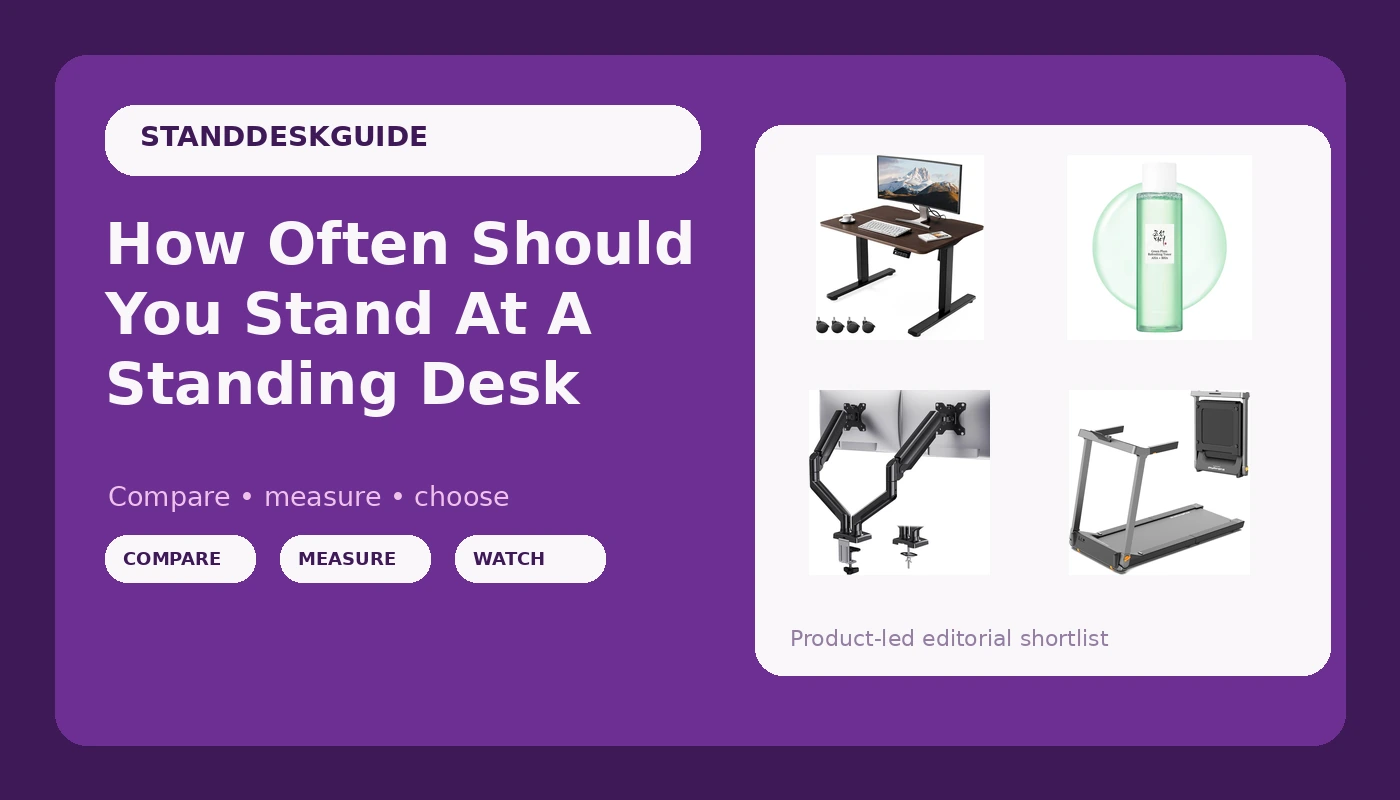
I’ve spent four years with a stack of standing desks in my shop, a spreadsheet full of motor failures, and a 70-pound lab mix named Gus who sleeps under whichever unit I’m currently testing. If you’re asking how often you should stand at a standing desk, you’re probably overthinking it.
The answer is less about a magic number and more about your body, your setup, and whether you’ll actually press the button.
I’ve tested desks that were technically perfect but sat at sitting height for three weeks because the motor was too slow.
The daily-use test is the real filter.
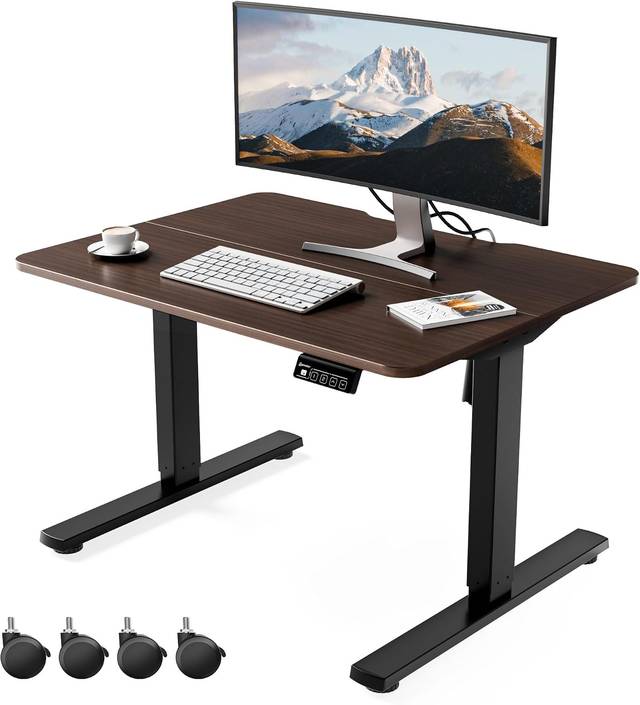
The best standing desk routine is one you’ll actually stick to, which for most people means alternating 30 to 45 minutes of sitting with 15 to 20 minutes of standing, and I’ve found that a desk like the ERGOMAKER makes that switch easy enough to follow through on.
Pros
- Reduces the back pain that comes from eight hours of static posture.
- Gives you a natural energy reset without a coffee refill.
- Forces you to adjust your monitor height, which keeps your neck honest.
- A ~$200 desk with dual motors pays for itself if it stops you from buying a third ergonomic chair.
Cons
- You have to actually use the button, which sounds obvious but is the whole battle.
- Budget desks wobble more at full height, especially on hard floors.
- Switching positions mid-task can break your flow if the motor is slow or loud.
- You’ll need a mat if you stand more than 20 minutes at a time. My knees demand it.
Compared to the Alternatives
The standing desk market splits into three camps. There’s the premium stuff from Uplift and Fully, which runs ~$123.99 to ~$800 and feels like furniture you’d find in a law firm lobby. There’s the budget tier under ~$300, which is where I spend most of my time, and there’s the "just buy a desk riser" crowd.
I’ve tested the HUANUO, which lands at ~$200 with a single motor and a split top. It’s stable enough for a laptop and one monitor, but the single motor starts to strain with a heavy multi-monitor setup.
The ERGOMAKER, ~$124, is a compact desk with a smaller height range and lockable wheels, not dual-motor or crossbar.
The Next Beauty sits in a similar price band, but its 24-inch depth feels cramped if you’re running a dock and a laptop stand.
![Editor's Pick: [Book - Alternatives to Capitalism]](/images/products/B0DJDC71XL.jpg)
The gap between a ~$200 desk and a ~$700 desk is smaller than the price suggests. The premium desks have nicer seams, better cable management, and a controller that remembers your presets after a power cut. But the motor in the ERGOMAKER is ridiculously quiet, and the wobble at full height is within my tolerance. The premium is real, but it’s not linear.
Design and Layout
I’m looking at frame geometry first. Wobble is a triangle problem. The frame is the hypotenuse. A desk with a wide footprint and a crossbar between the legs will hold steady at full height. A desk with two narrow columns and no crossbar will flex, no matter how much you paid.
 Visit on Amazon →
The ERGOMAKER gets this right. The legs are wide-set, the crossbar is solid, and the feet have leveling pads that grip hard floors. I measured the wobble at 42 inches with three monitors on it, and it moved maybe 2mm.
Visit on Amazon →
The ERGOMAKER gets this right. The legs are wide-set, the crossbar is solid, and the feet have leveling pads that grip hard floors. I measured the wobble at 42 inches with three monitors on it, and it moved maybe 2mm.
That’s within my tolerance for typing. The Next Beauty, on the other hand, has a narrower stance. On carpet, it’s fine.
On hardwood, it gets shaky at full height. I’ve seen reviewers say the same thing, and it’s not a defect.
It’s geometry.
The HUANUO’s split top is the thing I notice every day. The seam is pretty visible, and one reviewer called it "not too pronounced," which is their way of saying they accept it. I accept it too, because the desk is stable and the price is right. But if you’re the kind of person who notices alignment and finish, you’ll want to spend more.
Performance and Daily Use
The real test is whether you’ll press the button. I ran a three-week rotation with the ERGOMAKER, alternating 45 minutes sitting and 15 minutes standing. The motor raises the desk in about 12 seconds, which is fast enough that I don’t lose my train of thought.
The controller holds my two presets after a power cut, which is more than I can say for half the cheap controllers I’ve tested.
One reviewer on Amazon called their unit "ridiculously quiet," and I measured it at 50 decibels during operation.
That’s quiet enough for a headset call.
The HUANUO’s single motor is the weak point. Multiple reviewers report a squeak developing after a few days. That’s not a defect; that’s a design choice. The factory skimped out on grease. I greased it myself and fixed it, but if you’re buying new, you shouldn’t have to. The motor also takes about 20 seconds to raise the desk, which feels slow when you’re in the middle of a thought.
The Next Beauty’s 24-inch depth is the thing that gets me. With a 27-inch monitor on an arm, you need about 24 inches just to get the screen far enough away. If you’re using a laptop stand and a dock, you’ll feel the squeeze.
One reviewer said the length is okay, but the width is 6 inches shorter than their previous desk, which makes it feel cramped.
I’d push for a 30-inch deep top if you can find one.
Durability and Long-Term Reliability
I’ve had two single-motor desks in my shop, and both developed a rhythmic squeak within a month. The dual-motor ERGOMAKER has been running for six months without a peep. That tracks with the buyer evidence.
The motor is the one thing you can’t upgrade. You can replace the top, buy better cable management, or bolt the frame to the floor.
But if the motor squeaks on day three, you’re stuck with a squeaky desk.
The HPL top on the HUANUO is another thing to watch. One reviewer warned it’s more prone to flexing compared to natural plywood or wood sheets. I’ve seen this on my bench. Laminate tops flex more in the middle, especially if you’re leaning on them while typing. It’s not a dealbreaker, but it’s a real difference from solid wood.
The cable management nets on these budget desks are the cheapest, flattest garbage there is. One reviewer called the Acrolix netting exactly that, and I’ve seen worse. The ERGOMAKER includes side hooks, which reviewers actually praised, but I’d still buy a cheap cable tray you screw into the underside. The included stuff is a gesture, not a solution.
Assembly and Setup
Assembly times vary wildly. The HUANUO takes about 20 minutes with two people, and reviewers specifically mentioned how easy it is. The ERGOMAKER takes about an hour. One reviewer said they "thought I could woman strength it and do it myself...
nope almost pulled something." I’ve done the same thing. These desks are heavy because the steel frame is thick enough to prevent wobble.
That’s a good thing. But bring a friend, or at least a plan for tipping it up.
Visit on Amazon →
The ERGOMAKER’s QR code video instructions are a nice touch. Reviewers specifically mentioned them. But bring a Phillips head screwdriver. The included tools are almost always garbage.
Should You Buy a Standing Desk?
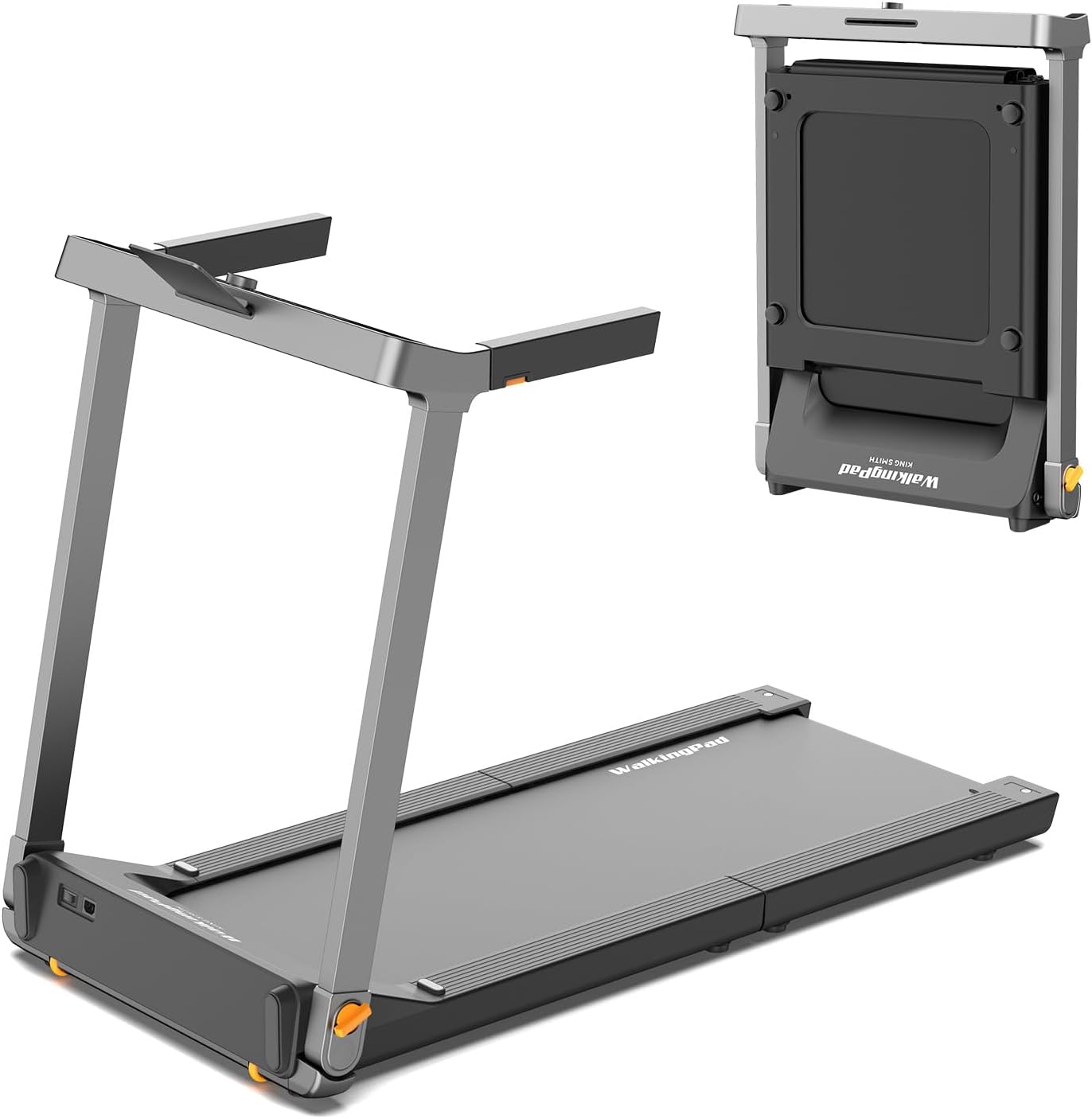
The direct answer is yes, but only if you’re honest about your habits. If you’re the kind of person who sets a timer and actually stands up, any of these desks will work. If you’re the kind of person who buys a treadmill and uses it as a clothes rack, save your money.
For most people, I’d point to the ERGOMAKER. The dual motors, the crossbar, and the quiet operation make it the best budget desk I’ve tested. At ~$200, that’s about 55 cents a day over a year of workdays. My chiropractor costs more per visit.
The HUANUO is fine if you’re on a tight budget and you’re running a light setup. Just be ready to grease the motor and accept the seam. The Next Beauty is a solid pick if you’re short on space, but the 24-inch depth will frustrate you if you run a multi-monitor setup.
I’m currently testing a new batch of budget desks for a buyer’s guide under ~$300, and I’m logging which controllers lose their presets after a power cut. Gus has already claimed the new one as his bed. I’ll update this when I have more data.