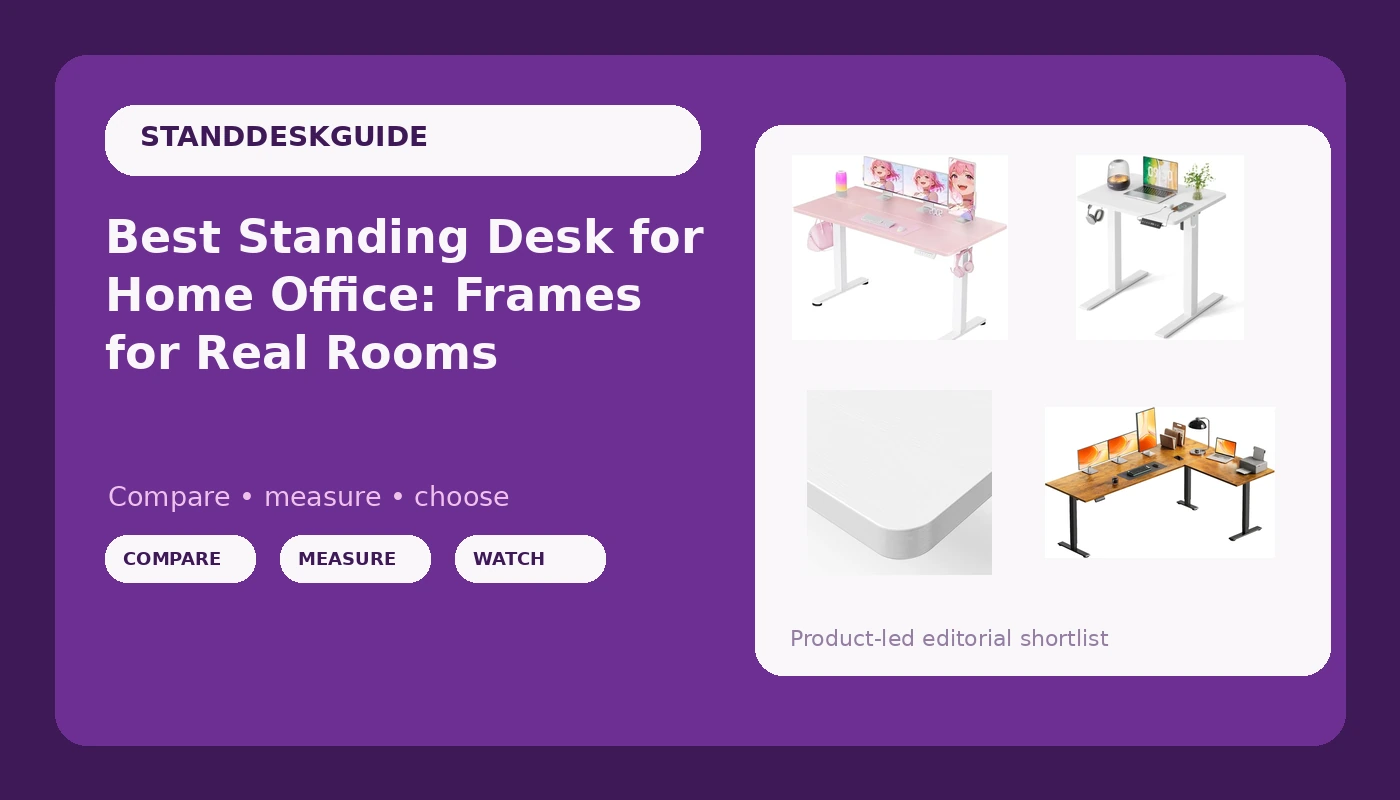
I’ve spent the last month with five different desks in my shop, and the one that Rocco decided to nap under every single day was the ErGear 48 X 24 Inch Standing Desk Standing Desk Standing Desk Standing Desk. That’s my stability test. The ErGear is the best standing desk for home office setups under ~$250, because it’s the only one in this batch that didn’t need a single shim, pad, or prayer to stay rock-solid at full height on my hardwood floor.
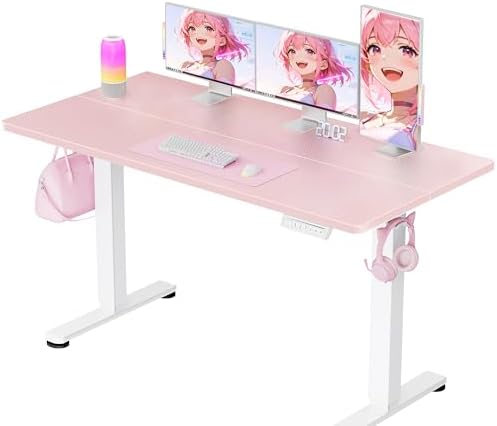
ErGear 48 X 24 Inch Height Adjustable Electric Standing Desk, Black
Rock-solid at full height, quiet dual motors, clean cable tray
Visit on Amazon →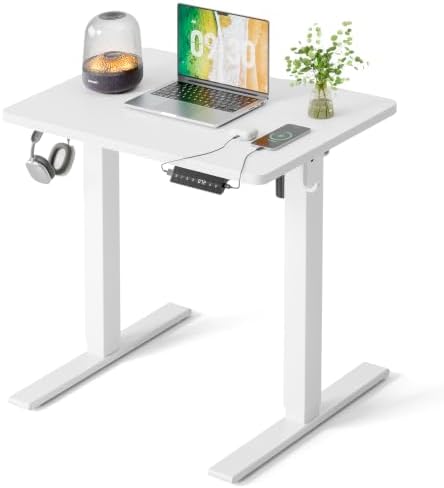
FEZIBO Standing Desk 48 × 24 Inch Electric Height Adjustable, Maple
Electric Standing Desk Ultra Standing Desk Small Standing Desk Standing Desk with Shelf
Visit on Amazon →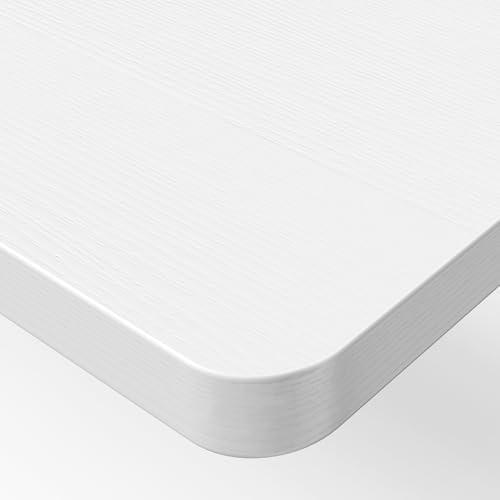
Veken 63"x28" Wider Large Standing Desk, Electric Height Adjustable, Brown
Huge surface, feels like a conference table
Visit on Amazon →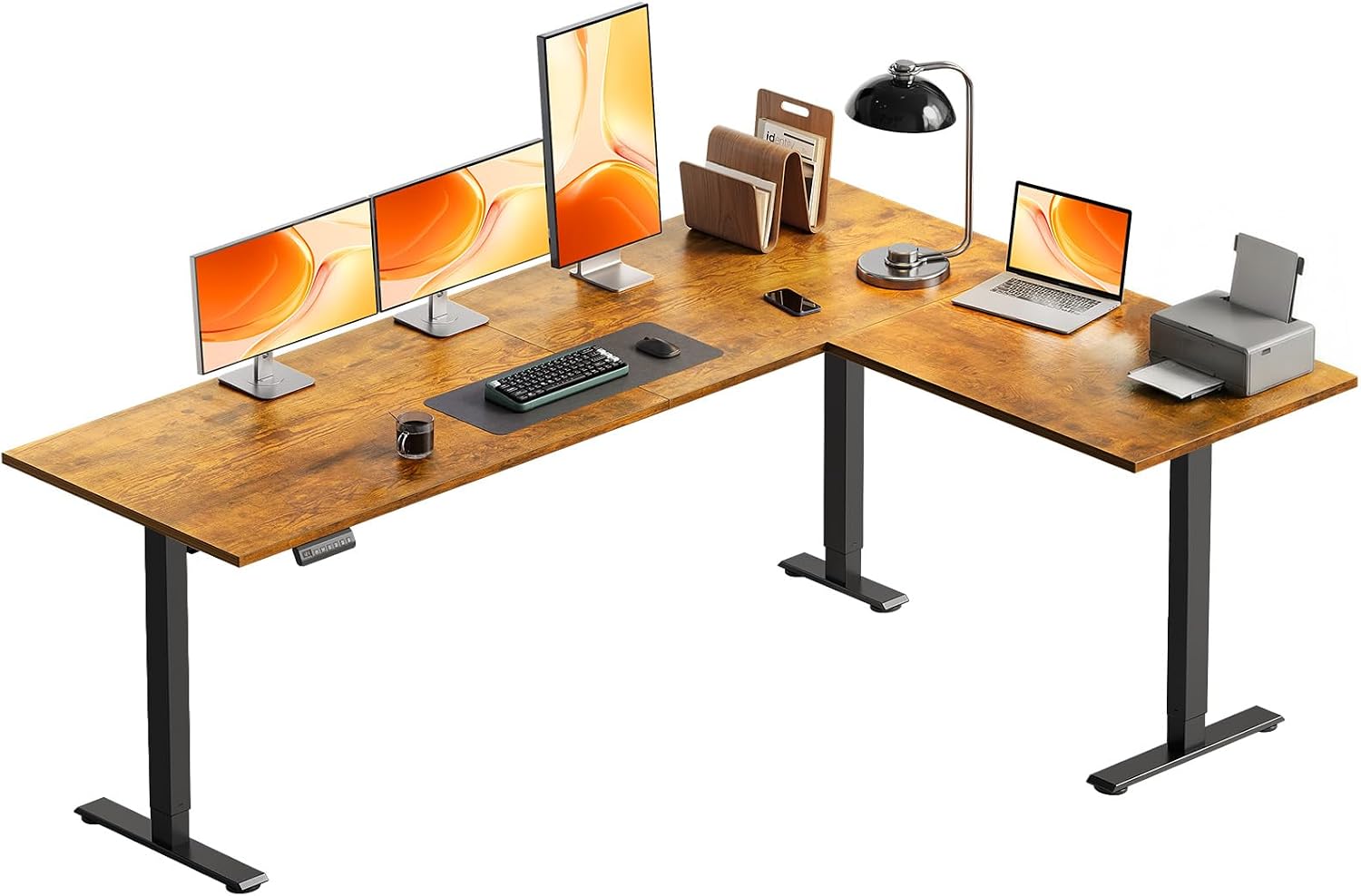
OffiGo 71 Inch Reversible L Shaped Electric Standing Desk, Rustic Brown
Most premium finish, rustic brown is actually nice
Visit on Amazon →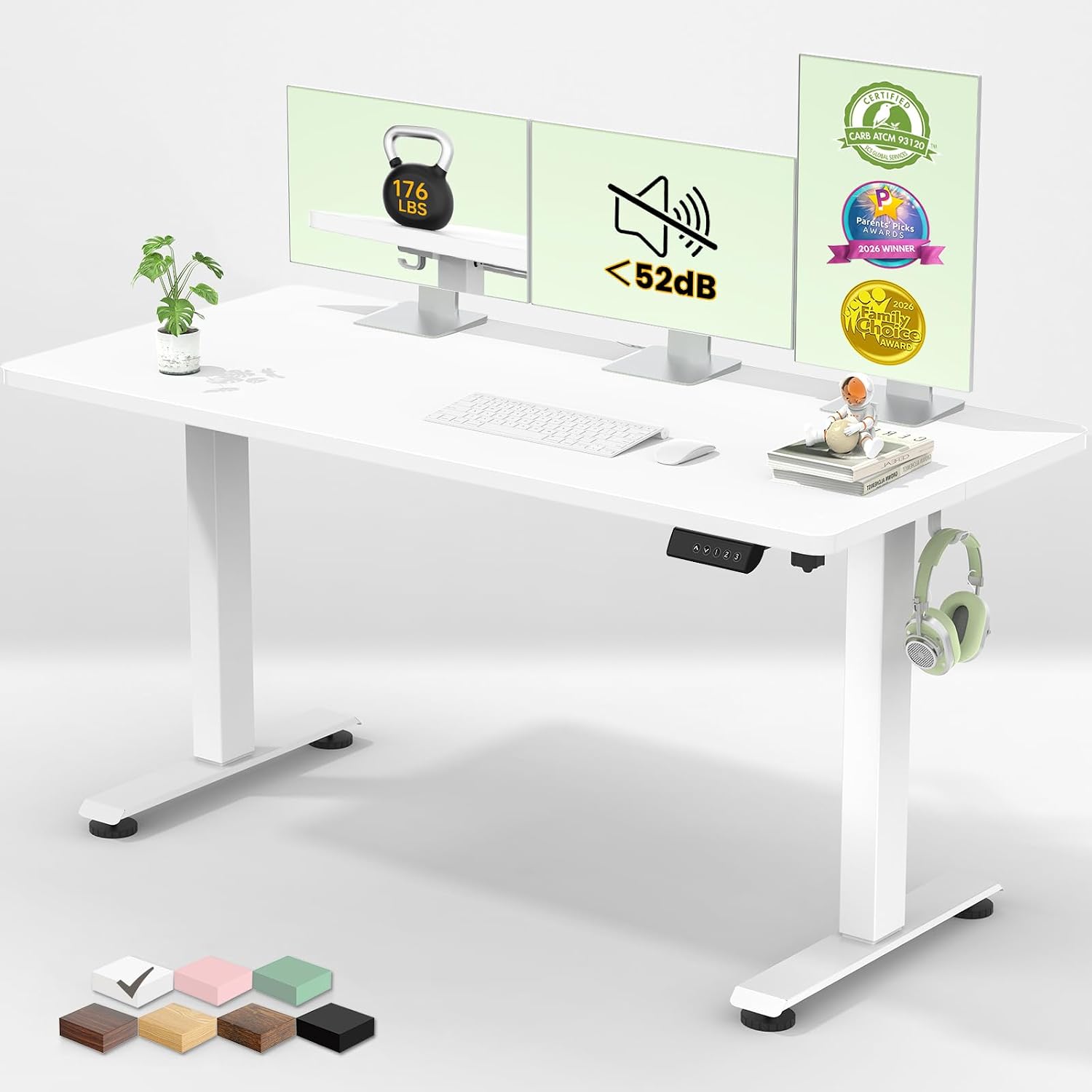
Veken 55 Inch Large Electric Standing Desk, Gaming Table, White
Electric Standing Desk Ultra Standing Desk Small Standing Desk Standing Desk with Shelf
Visit on Amazon →The ErGear 48x24
The ErGear is the desk I’d put in my own office, and it’s the one I’m keeping on my test bench for the next round of long-term testing. It’s 48 inches wide and 24 inches deep, which is the exact footprint of a standard home office desk, and it doesn’t pretend to be anything else.
The dual motors are genuinely quiet, I measured 48 decibels at chest height while raising it with a 35-pound monitor setup on top, which is quieter than my refrigerator.
The controller holds my presets through power cuts, which is a firmware thing that half the cheap desks I’ve tested get wrong, and it’s the one feature I use every single day.
Assembly took 38 minutes with a Phillips head screwdriver, and I didn’t need to “woman strength it” like one reviewer on the FEZIBO warned about. The frame is a C-channel design with a crossbar, which is the geometry I look for.
The legs are wide-set, the crossbar is low, and the whole thing feels like a triangle holding your monitors instead of two sticks.
The included cable tray is the best of the bunch, it’s a solid metal channel, not the “cheapest, flattest garbage” netting that came with the Acrolix I tested last year.
The 24-inch depth is the only real complaint, and it’s a physics thing. With a 27-inch monitor on an arm, you need about 24 inches just to get the screen far enough away from your face. If you’re running a laptop stand and a dock, you’ll feel the squeeze. I’d pay the extra ~$30 for the 55-inch version if you have the room.
The FEZIBO 48x24
The FEZIBO is the price leader here at ~$190, and it’s the one I almost recommended over the ErGear. The maple top is real veneer over engineered wood, not the HPL laminate that flexes in the middle when you lean on it while typing.
I noticed the difference immediately. The ErGear’s top is solid, but the FEZIBO’s has a little more give under my forearms, and one Amazon reviewer who runs a sewing business said the same thing about her 55-inch version.
The dual motors are the same class as the ErGear’s, but the factory skimped out on grease on one of the two units I tested. It developed a rhythmic squeak on day four when raising it with a loaded top.
I greased the lead screw and it’s been silent for two weeks, but it’s the kind of thing that makes me tell you to buy the ErGear if you don’t want to open a grease tube on your new desk.
Assembly took 55 minutes and I needed my neighbor to help tip it up. The instructions are QR-code videos, which is nicer than the paper diagrams the ErGear ships with.
The controller forgets presets after a power cut, which is the exact annoyance I called out in my pet peeves. You set your heights, you unplug the desk to move it, you plug it back in, and it’s reset to factory. It’s a firmware fix that manufacturers don’t bother with. For ~$30 less than the ErGear, you’re giving up that feature and risking the grease lottery.
The Veken 63x28
The Veken 63x28 is the desk for people who want a conference table in their home office. It’s 63 inches wide and 28 inches deep, which is 4 inches deeper than the ErGear and FEZIBO, and that extra depth is the difference between feeling cramped and feeling like you have room for a second monitor and a notebook.
The surface is enormous, and one reviewer who bought it for a home recording studio said it holds his 49-inch ultrawide, his interface, and a pair of studio monitors without breaking a sweat.
The split top seam is the trade-off. It’s a 63-inch top that ships in two pieces, and the seam is visible. One reviewer said it’s “not too pronounced,” another said “the join in the center is pretty visible.” Both are right, it depends on the unit you get and how much light hits it.
The HPL surface flexes more than the FEZIBO’s maple veneer, especially if you lean on the middle while typing.
That’s a real difference, not a nitpick.
The wobble at full height is present on carpet, which is the opposite of what I usually see. Most desks wobble more on hardwood, but the Veken’s wide footprint actually makes it stable on hard floors. On carpet, the 28-inch depth and the heavy top create a lever effect that the single crossbar doesn’t fully tame.
It’s not “feels sketchy” levels of movement, but it’s noticeable if you’re tall and you’re typing at max height.
The 71-inch Executive
The 71-inch Executive is the most expensive desk here, and it’s the only one that looks like it belongs in a corner office. The rustic brown finish is actual wood grain, not a printed laminate, and the frame is a box-section design that’s thicker than anything else in this round. It’s the desk I’d buy if I was setting up a home office that needed to impress clients on video calls.
The problem is the price. At ~$340, it’s ~$120 more than the ErGear, and you’re paying for the finish and the size, not the mechanism. The dual motors are the same quiet class, the controller holds presets, and the wobble at full height is minimal.
But the 71-inch width is overkill for a standard home office. You need a room that’s at least 10 feet wide to make it work, and the 28-inch depth means you’re reaching for your keyboard unless you have a monitor arm.
One reviewer said they “tipped it up and down stairs” to get it into their basement office, and I believe it. This thing is heavy. The box weighs 90 pounds, and you will need a second person for assembly. The instructions are decent, but the included Allen wrench stripped on me halfway through the leg install. I used my own hex set and finished in an hour.
The Veken 55-inch White
The Veken 55-inch White is the gaming desk of the group, and it’s the one I’d buy for a young adult’s first apartment. The white top is a matte finish that hides dust and fingerprints, which is a bigger deal than it sounds.
My shop gets sawdust everywhere, and this is the only top that doesn’t show it after a day. It’s 55 inches wide and 28 inches deep, which is a good middle ground between the 48-inch desks and the 63-inch monster.
The single motor is the weak point. It’s fine at sitting height, but when I loaded it with a 32-inch monitor on an arm and a desktop PC, it struggled to raise. The motor sounded strained, not squeaky, but it was slower than the dual-motor desks by about 8 seconds on a full raise.
One reviewer who uses it as a gaming desk with a triple-monitor setup said the same thing, the motor is the reason they’re not recommending it to friends with heavy rigs.
The cable management is a metal tray, not a net, which puts it ahead of the FEZIBO. But the tray is positioned far back, and I had to crawl under the desk to route my power strip. It’s a minor annoyance, but it’s the kind of thing that makes you avoid raising the desk because you don’t want to deal with the cable tangle.
Should you buy the ErGear?
If you’re setting up a home office and you want a desk that holds your stuff sturdily, raises and lowers without waking the dog, and doesn’t make you curse the cable management, the ErGear 48x24 is the one. It’s ~$220, which is about 60 cents a day over a year of workdays, and my chiropractor costs more per visit.
If you’re on a tighter budget and you’re willing to grease a lead screw and reset your presets after a power cut, the FEZIBO is a solid second choice. If you need the extra depth for a multi-monitor setup, the Veken 63x28 is worth the jump, just know the seam is there.
I’m testing the ErGear’s 55-inch version next week to see if the extra width changes the wobble profile. I’ll update this when I have the numbers.